
What to Expect During a Termite Inspection in Walker County, TX
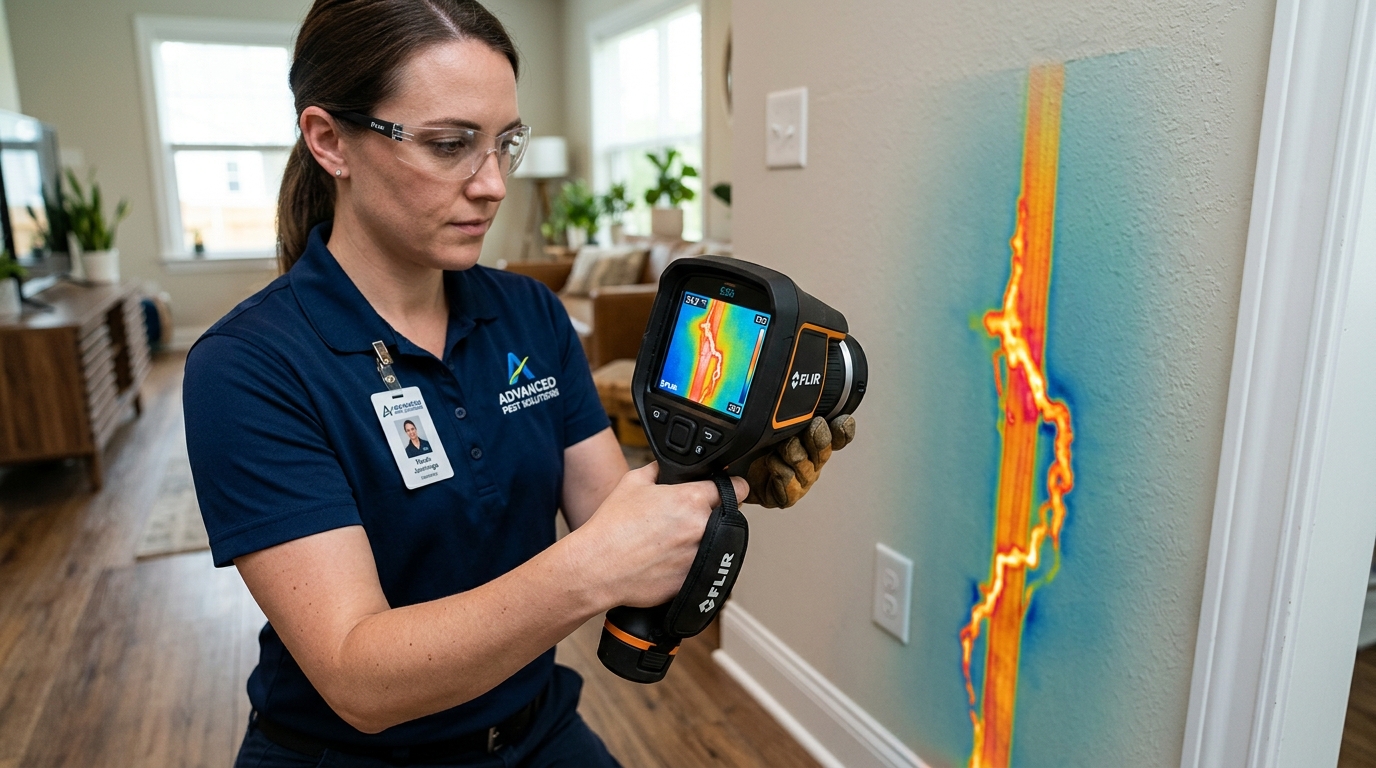
If you have never had a professional termite inspection, the process may feel opaque. You call a company, someone shows up — and then what? Knowing what to expect makes the inspection more useful: you understand what the technician is doing and why, you know which areas require your cooperation, and you can ask better questions at the end.
Here is a straightforward description of what a termite inspection looks like in Walker County, TX.
Before the Technician Arrives
There is minimal preparation required, but a few things help:
- Unlock crawl space access. If you have a pier-and-beam home, locate the crawl space entry hatch (often in a closet floor, a laundry room, or a bedroom). Make sure it is unlocked and accessible.
- Clear foundation perimeter access. If furniture, garden equipment, or stored items are packed against the foundation wall in the garage or along the exterior, move them if possible. The technician needs to see the foundation at grade level.
- Identify any known areas of concern. If you saw mud tubes, found wings, or noticed soft flooring, mark the location so you can point the technician directly to it.
- Plan to be present. We need interior access and will walk you through findings at the end. The inspection is not a drop-off service.
Exterior Inspection: Foundation Perimeter
The inspection begins outside. The technician walks the full perimeter of the structure — all four sides, including attached garages, porches, and additions — examining the foundation at grade level. They are looking for:
- Mud tubes on the foundation face, weep holes, expansion joints, and utility penetrations
- Wood-to-soil contact: siding, door frames, deck boards, or fence rails touching the ground
- Moisture conditions: improper grading that directs water toward the foundation, clogged gutters, downspout discharge near the foundation
- Evidence of prior treatment: old termiticide application, sealed drill ports in concrete, treated soil
- Wood debris and attractants: mulch depth, wood piles, tree stumps within the treatment zone
This phase takes 15 to 30 minutes depending on the size of the structure and how much is accessible.
Crawl Space Inspection (Pier-and-Beam Homes)
If your home has a pier-and-beam foundation, the technician will enter the crawl space. This is where subterranean termite damage is most often first discovered — sill plates, floor joists, and wood blocking in direct or near-contact with soil are the highest-risk members. The technician will:
- Examine pier caps and the wood resting on them for mud tubes and feeding damage
- Probe floor joists and sill plates with a screwdriver or pick — hollow or soft wood indicates feeding
- Check the vapor barrier condition — a deteriorated vapor barrier elevates moisture and termite risk
- Assess ventilation — insufficient crawl space ventilation contributes to the moisture conditions termites need
Interior Inspection
Interior inspection focuses on high-risk areas: bathrooms, kitchens, laundry rooms (where plumbing creates moisture), and any room where the homeowner has noticed soft floors, stuck doors, or visible damage. The technician:
- Probes window sills, door frames, and baseboards in at-risk rooms
- Checks for frass (drywood termite fecal pellets) near baseboards and in window channels
- Examines utility penetrations through the slab where plumbing and conduit enter from below
- Checks the garage wall where it meets the slab — a common entry point in slab-on-grade homes
Attic Inspection
When attic access is available, the technician checks rafter tails, ridge board, and any wood framing visible from the hatch for signs of drywood termite activity — primarily frass deposits and kick-out holes. Not all homes have accessible attics, and this phase is noted as complete or inaccessible in the report.
End of the Visit: What You Receive
After the physical inspection, the technician reviews findings with you in person. You then receive:
- Written inspection report: Documents what was inspected, what was found (and where), species identified if applicable, and areas not accessible.
- Written treatment quote (if applicable): If treatment is warranted, a written quote itemizing the work and cost. This quote does not expire the moment you leave — you have time to consider it.
- Recommendations regardless of findings: If nothing is found, you receive a report confirming that — and a recommended timeline for the next inspection based on the property's risk profile.
How Long Does It Take?
Most residential inspections in Walker County take 45 minutes to 90 minutes. Larger structures, complex pier-and-beam crawl spaces, or properties with extensive prior damage take longer. We do not rush inspections — a 20-minute walk-around is not a thorough inspection.
To schedule a termite inspection in Huntsville, TX or Walker County, call 936-935-0197. We offer same-day and next-day availability throughout the area.
Protect Your Home
Before It's Too Late
Licensed & insured termite specialists serving Walker County.
Same-day inspections. Honest pricing. No contracts.
Mon–Fri 7 AM – 6 PM, Sat 8 AM – 4 PM